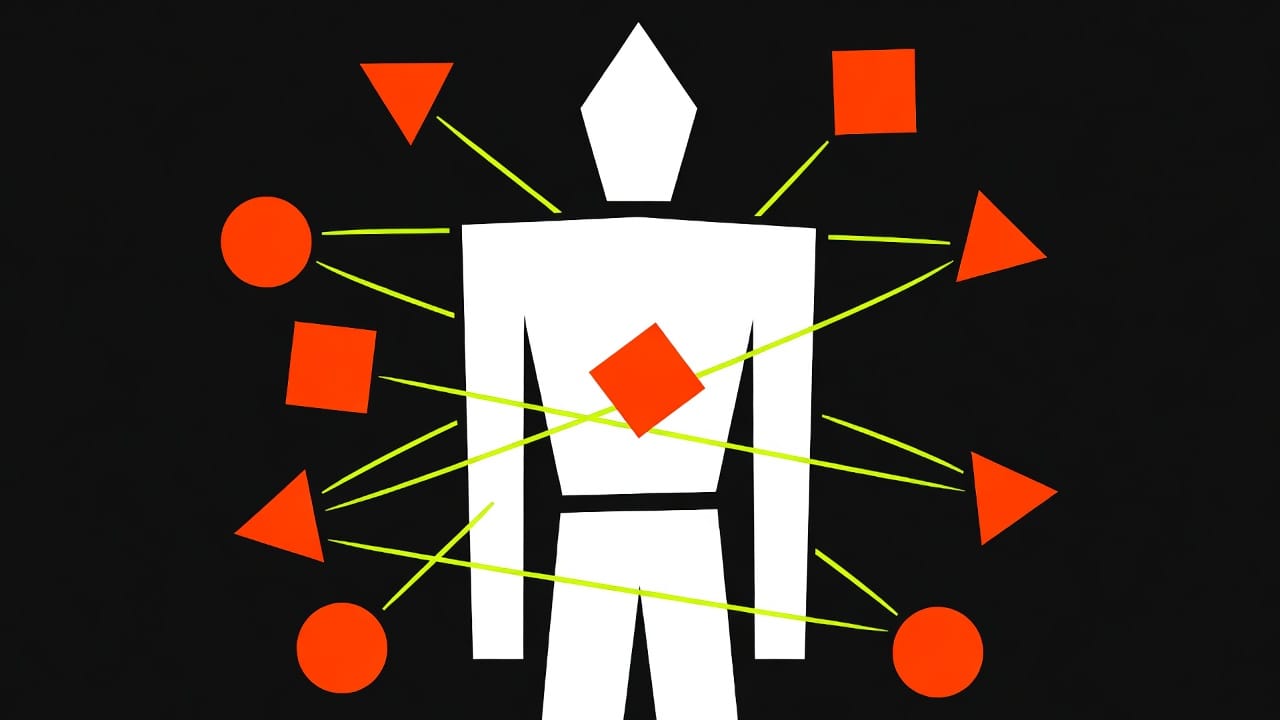
Why Humans Remain Central in the Age of AI
AI enormously expands the space of possible solutions. But it doesn't replace the ability to ask new questions, challenge paradigms, and set direction.
Many of my friends and colleagues are increasingly skeptical about AI. In conversations, I hear more and more anxiety about the future — the worry that AI will soon take over every job, that human creativity will become obsolete, that we'll lose control as a society.
I understand these concerns. But from my daily work with AI systems, I see a different picture. AI is an extraordinarily powerful tool for exploring and combining knowledge. But it doesn't replace the human role as navigator, curator, and impulse generator. On the contrary — precisely because AI is so capable, human directional decisions become more important, not less.
AI is a Master of Exploration — Not Direction
Modern AI systems are extremely good at searching through large solution spaces. They can generate millions of variants, recognize patterns, combine hypotheses, and rearrange existing structures. This makes them perfect tools for exploration problems: generating code variants, creating designs, suggesting molecules, formulating texts.
But this strength has an important prerequisite: AI needs a goal or an evaluation framework within which it can optimize. The machine can generate possibilities — but it doesn't intrinsically know which direction is meaningful.
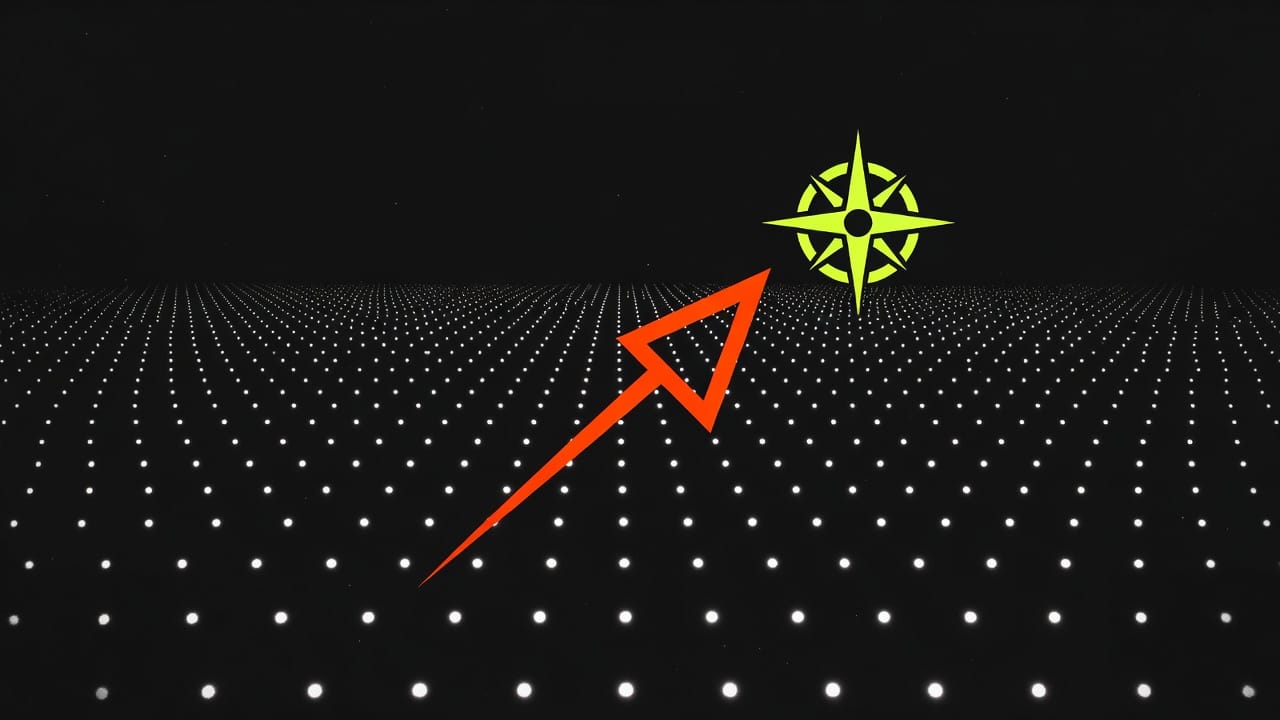
The Difference Between Optimization and Paradigm Shifts
From my perspective, this is a central point that often gets lost in the debate. There are two fundamentally different kinds of innovation.
The first is exploration within a solution space — solving an existing problem more efficiently. Better airplane wings, more efficient algorithms, new drug variants. Here, AI is often already extremely strong.
The second is a paradigm shift — not optimizing the problem, but changing the frame of the problem itself. The theory of evolution didn't write better creation myths. The theory of relativity didn't optimize Newtonian mechanics. The internet didn't improve the telephone. These changes don't come from optimizing an existing model but from new perspectives, questioning assumptions, and creative problem definition.
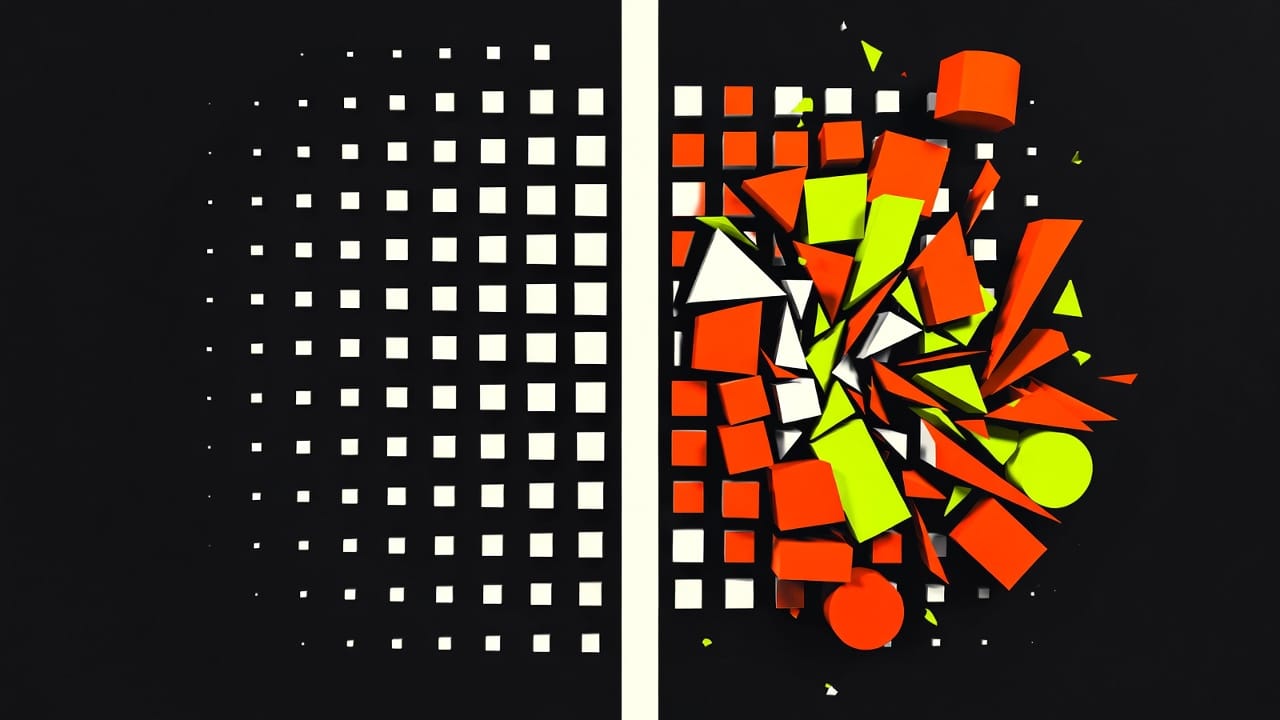
This is precisely where humans remain essential, in my experience. AI can indeed create things that never existed before — new images, new music, new texts. But this novelty usually emerges from combining existing structures. "A Gothic cathedral in the style of Japanese woodcuts made of coral" — that's new, but it stays within known concepts.
There's a fundamental reason for this: AI models are trained on data from the past. They can only recombine within the horizon that their training data covers. A vivid example: if someone had built a music-generating AI in the 1950s, it could have created new combinations from the available material — jazz, blues, country, classical. But hip-hop, punk, or electronic music would never have emerged from that recombination. These genres didn't come from optimizing existing music — they emerged from entirely new cultural contexts, technologies, and lived experiences that simply didn't exist at the time.
Humans, on the other hand, can sometimes change the categories themselves. New questions, new models, new frameworks for thinking. This kind of creativity doesn't arise solely from data but from experience, intuition, context, and cultural understanding.
Curator, Navigator, Visionary
Instead of seeing AI as a replacement, I find a different picture more realistic: AI expands the solution space — humans navigate within it.
Humans become curators: In a world where AI can generate millions of variants, selection becomes more important than production. Which results are meaningful? Which ideas deserve further pursuit?
Humans remain navigators: AI can search for solutions, but it can't decide which problems should be solved in the first place. Defining goals, problems, and priorities — that remains a human task.
And humans remain visionaries: Many important innovations begin with a new question. "What if machines could compute?" — "What if knowledge were globally connected?" These impulses rarely arise from statistical optimization but from visions.
And let's not forget: AI doesn't make moral decisions. What's beneficial for society? What's ethically justifiable? What's good for humans in the long run? These remain questions we have to answer ourselves.
Why AI Sometimes Seems Omnipotent
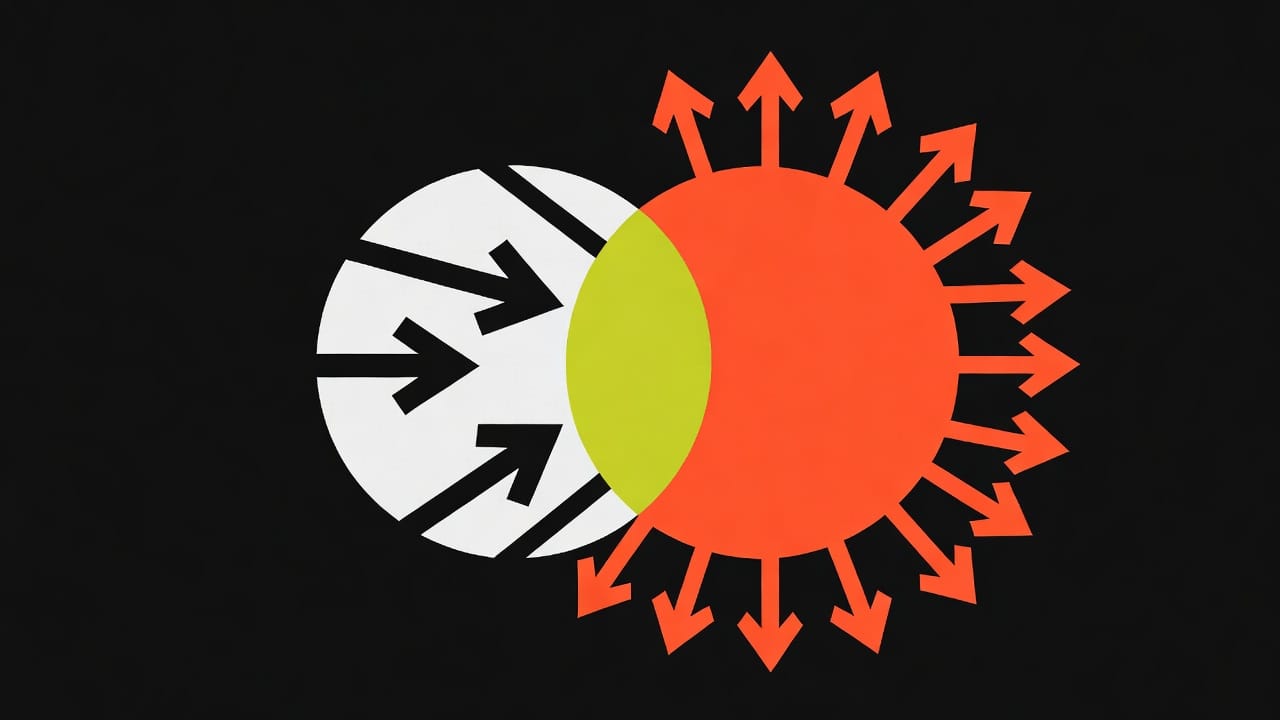
I understand why many people feel unsettled. AI systems appear competent across virtually all domains — they can code, write, analyze, design, explain. This breadth comes from AI's ability to leverage patterns across many domains simultaneously. For most use cases, this is impressive — and it genuinely is.
But when you go deeper into specialized areas, context becomes more complex, evaluation becomes harder, and problems become fuzzy. In my experience, human expertise and judgment remain decisive here.
A New Role, Not the End
From my perspective, the most likely development isn't humans being replaced but a new form of collaboration. Perhaps what changes isn't the importance of humans but rather our role.
In the past, humans had to produce many things themselves. In the future, we'll increasingly become curators, system designers, direction-setters. AI becomes an extremely powerful tool in the process — but still a tool that needs someone to steer it.
Conclusion
AI is one of the most powerful technologies of our time. It enormously expands the space of possible solutions. But it doesn't replace the capabilities that form the core of human innovation: asking new questions, challenging paradigms, defining goals, making decisions.
AI expands possibilities. Humans determine the direction. That's precisely why we remain central even in the age of intelligent machines — not despite AI, but because of its capabilities.